Why HPL Sheets are a Smart Choice for Modern Interiors: Uses, Benefits & Buying Guide
Modern interiors demand materials that blend durability, design flexibility, hygiene, and long-term value. Be it kitchens, bathrooms, living spaces or commercial environments, surface materials often face constant exposure to moisture, heat, impact, chemicals, and daily wear. For all such applications, high pressure laminates, commonly called “HPL sheets”, have emerged as one of the most dependable options. Whether you are looking for a surfacing solution for the kitchen, bathroom, or a commercial setting, high-pressure laminates offer a balance that few materials can match. In this article, we’ll explain what a high-pressure laminate sheet is, how it is made, why it performs so well, where it is used, and how to choose the right one for your project, along with a look at benefits, limitations, and installation considerations.
What is an HPL Sheet?
Before selecting any laminate for interiors, it helps to understand what differentiates High-Pressure Laminates (HPL) from other surface materials. HPL is not a simple decorative layer. It is a high-performance engineered surface designed for demanding environments.
What Does “High-Pressure Laminate” Mean?
A high-pressure laminate sheet is a decorative surface material created by bonding multiple layers of kraft paper and decorative paper under high heat and extreme pressure using thermosetting resins. The result is a dense, non-porous, impact-resistant surface known for exceptional durability and aesthetic consistency.
Unlike low-pressure decorative laminates, HPL sheets are designed for heavy daily use. This makes them suitable not only for homes, but also for offices, retail spaces, hospitality interiors, and healthcare environments.
How HPL Sheets are Made: Layers, Resins, Heat, and Pressure Process
The performance of HPL comes from its manufacturing process, which compresses multiple layers into a single, solid surface:
Kraft Paper Core: Several layers of kraft paper provide structural thickness and strength.
Decorative Layer: The printed layer that defines colour, texture, wood grain, or stone finish.
Protective Overlay: A transparent melamine overlay that delivers scratch, abrasion, and stain resistance.
High Heat & Pressure: These layers are compressed under temperatures exceeding 120°C and pressures above 1,000 PSI.
This fusion creates a hard-wearing, moisture-resistant, dimensionally stable surface that maintains performance over long service life.
HPL sheets exhibit outstanding resistance to surface abrasion, impact pressure, and scratches. The hardened melamine overlay protects against:
Furniture scuffs and movement: Surface integrity remains intact even in high-traffic zones.
Daily wear in kitchens and offices: Resistance to utensil marks, stationery scuffs, and friction.
Long-term surface stability: Minimal visible ageing even after years of use.
This is why HPL is frequently chosen as the best laminate for furniture that is used daily.
2. Moisture & Humidity Resistance: Ideal for Bathrooms & Kitchens
One of the defining strengths of high-pressure laminate sheets for kitchens and bathrooms is moisture resistance. The non-porous surface prevents water absorption, protecting the substrate beneath.
Steam resistance: Ideal for humid environments such as showers or cooking areas.
Spill protection: Liquids remain on the surface rather than penetrating it.
Stable bonding: Properly installed HPL prevents edge lifting and swelling.
This makes HPL a safer surface option than untreated wood or MDF in moisture-prone interiors.
3. Heat, Stain, and Chemical Resistance: Why That Matters for Daily Use
HPL performs well under moderate dry heat, resisting surface damage from hot utensils, hair tools, and kitchen equipment. It also resists:
Food spills and grease stains
Household chemicals and cleansers
Discolouration from repeated exposure
While direct exposure to extreme heat should be avoided, everyday temperature variations do not compromise surface performance.
4. Superior Hygiene and Low Maintenance: Non-Porous Surface and Easy Cleaning
One of the most overlooked advantages of decorative laminates is hygiene. HPL’s closed surface structure discourages microbial growth.
Non-porous construction: Prevents bacteria and mould from penetrating.
Easy cleaning: A damp cloth with mild detergent removes most contaminants.
Low maintenance: No polishing, sealing, or special maintenance cycles required.
This makes HPL extremely suitable for kitchens, bathrooms, clinics, and hospitality interiors.
5. Design Versatility: Colours, Textures, and Finishes
Design flexibility is where laminate sheets truly shine. HPL offers:
Wood-grain designs: Natural oak, walnut, teak, and ash.
Stone-inspired surfaces: Marble, granite, and terrazzo aesthetics.
Solid colours: Soft neutrals, bold accents, and architectural tones.
Surface textures: Matte, gloss, suede, super-matt, and anti-fingerprint.
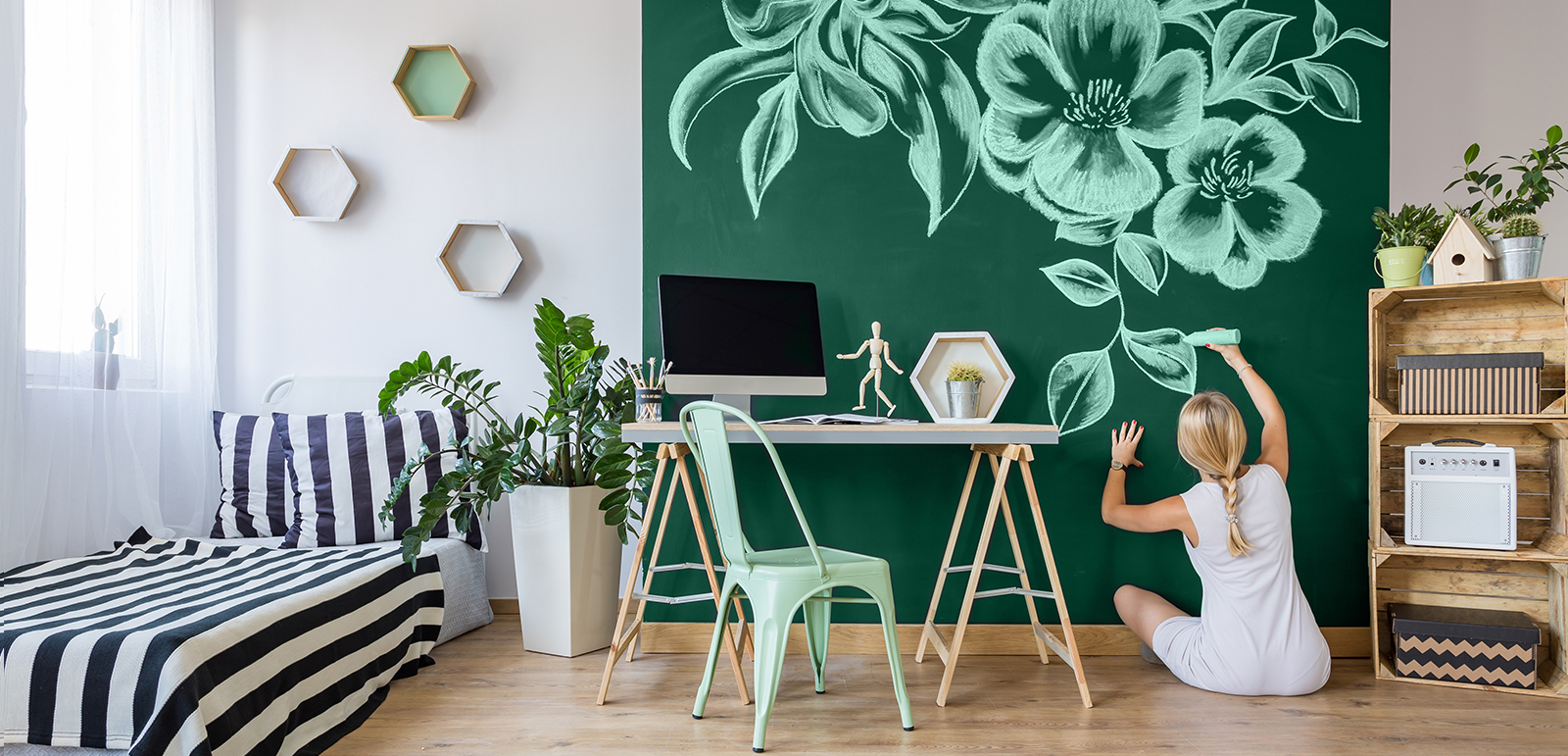
Embossed and special textures: HPL sheets are also available in embossed surface textures such as bevels, waves, linen, metallic, leather, chalk, marker grade, and carved wood patterns. These textures add depth, grip, and visual layering to furniture and wall panels.
This versatility allows designers to replicate expensive natural materials at a fraction of the cost while preserving durability.
In commercial and public interiors, surfaces face continuous usage, frequent cleaning, and higher exposure to impact and wear. This makes durability and hygiene non-negotiable. HPL sheets meet these demands effortlessly, which is why they are widely specified across commercial projects.
Office workstations and partitions benefit from HPL’s scratch resistance and colour consistency, helping workspaces retain a clean, professional look.
Retail counters and display units rely on impact-resistant laminate sheets that withstand constant customer interaction.
Hotel lobbies and wall cladding use decorative laminates to combine visual appeal with long-term durability under heavy footfall.
Reception desks and waiting areas demand hygienic, easy-to-clean surfaces that maintain appearance despite frequent usage.
Because of this balance between aesthetics and performance, HPL remains a standard surface solution across commercial environments.
How to Choose the Right HPL Sheet for Your Project
Selecting the right HPL sheet involves more than just choosing a design. Technical aspects such as thickness, grade, finish, substrate compatibility, and usage conditions all influence how well the laminate performs over time.
1. Consider Thickness and Grade
Different HPL grades serve different functional needs, and selecting the right one ensures both safety and durability.
Standard Grade: Suitable for most interior furniture and wall applications.
Post-Forming Grade: Designed for rounded edges and curved profiles.
Exterior Grade: Enhanced UV resistance for outdoor cladding. Only specialised compact exterior HPL should be used outdoors.
Chemical-Resistant Grade: Used in labs and medical facilities.
Each grade addresses different performance needs.
2. Surface Finish & Texture Selection
Surface finish affects both the visual character and daily usability of laminate sheets.
Matte finishes reduce glare and fingerprints, making them ideal for contemporary interiors and well-lit spaces.
Gloss finishes reflect light beautifully and add vibrancy, especially in compact rooms where brightness is needed.
Wood textures deliver a natural, tactile feel that suits both classic and modern furniture styles.
Special coatings, such as anti-fingerprint and anti-bacterial surfaces, add functional value in kitchens, children’s rooms, and healthcare spaces.
The finish selection should always consider lighting, footfall, and maintenance expectations.
3. Substrate Compatibility
The performance of an HPL sheet is directly influenced by the surface it is bonded onto. A strong base ensures long-term stability.
Plywood offers the best structural support and moisture resistance, making it the preferred substrate for most applications.
MDF provides a smooth finish for decorative furniture but remains sensitive to prolonged moisture exposure.
Particle board is economical and suitable for low-load furniture, provided it is properly sealed against moisture.
The substrate plays as important a role in longevity as the laminate surface itself.
4. Maintenance & Intended Use
Matching the laminate to its usage pattern prevents premature surface ageing and performance issues.
High-traffic zones require scratch- and abrasion-resistant finishes to withstand daily wear.
Wet areas, such as kitchens and bathrooms, demand moisture-sealed installations with proper edge protection.
Low-traffic décor zones allow greater flexibility in finish selection, including high-gloss and textured surfaces.
Correct matching of laminate type to usage conditions ensures consistent performance over time.
Buying and Installation Tips: Getting the Most from Your HPL Sheets
Selecting the right HPL sheet goes far beyond choosing a design. To get long-lasting performance, surface stability, and value for money, buyers must pay attention to what they purchase, how it is installed, and how it is maintained over time.
What to Ask Your Supplier
Before you finalise your laminate sheets, a few technical clarifications can help you avoid mistakes and ensure you choose the right product for your application.
Ask about the resin system used, as this determines the sheet’s resistance to heat, moisture, stains, and chemicals in daily use.
Confirm the grade classification, whether it is standard interior grade, post-forming, exterior, or chemical-resistant, so the laminate performs correctly in its intended space.
Check the warranty coverage, which reflects how confident the manufacturer is about the product’s durability and long-term behaviour.
Always review physical finish samples, not just catalogue images, since lighting conditions, textures, and colours appear very different once installed.
HPL sheet price varies based on thickness, grade, surface finish, and brand quality. Higher grades designed for kitchens, bathrooms, and commercial use usually cost more due to enhanced moisture, heat, and abrasion resistance. Always evaluate price against expected usage and lifespan rather than upfront cost alone.
Installation Best Practices
Even the best-quality high-pressure laminate sheet will fall short if installation standards are compromised. Proper preparation and execution play a major role in performance.
Ensure proper substrate levelling, because uneven base surfaces can lead to stress points, bubbling, or lifting over time.
Use secure and uniform adhesive bonding, so the laminate forms full contact with the substrate without air gaps.
Carry out complete edge sealing, especially in kitchens and bathrooms, to prevent moisture ingress and swelling.
Maintain safe clearance from heat-generating appliances, such as ovens, cooktops, and chimneys, to protect the laminate surface from excessive heat damage.
Maintenance & Cleaning Tips
One of the biggest advantages of HPL sheets is their low maintenance, but correct daily care helps preserve surface finish and hygiene for the long term.
Use soft cloths with mild detergents for everyday cleaning to avoid surface dullness.
Avoid abrasive scrubbers and harsh chemicals, which can damage protective overlays.
Clean spills promptly, especially oil, sauces, or acidic liquids, on kitchen laminate sheets.
Avoid prolonged standing water, particularly near joints and edges, even though HPL is moisture-resistant.
With a clear understanding of what defines a high-quality HPL surface, the next step is choosing a brand that delivers consistency in design, performance, and reach.
About Mikasa Laminates
Living spaces begin as ideas and evolve into expressions of personal identity. Mikasa Laminates (previously NewMika) supports this journey with precision-crafted decorative surfaces that merge performance with design. With a portfolio spanning 400+ designs and 20+ textures, Mikasa delivers aesthetic freedom across 500+ cities through a trusted network of 7,000+ retail partners and a reach exceeding 4 lakh installations nationwide. From residential interiors to commercial spaces, Mikasa laminates help translate imagination into enduring surfaces of style. For enquiries about our high-pressure laminate sheets, write to info@mikasalaminates.com, call 1800-833-0004, or use the contact form for personalised support.
 +91 11 4279 1399