 +91 11 4279 1399
2nd Floor, West Wing, Worldmark 1,
Aerocity, IGI Airport Hospitality District New Delhi
Delhi, India
110037
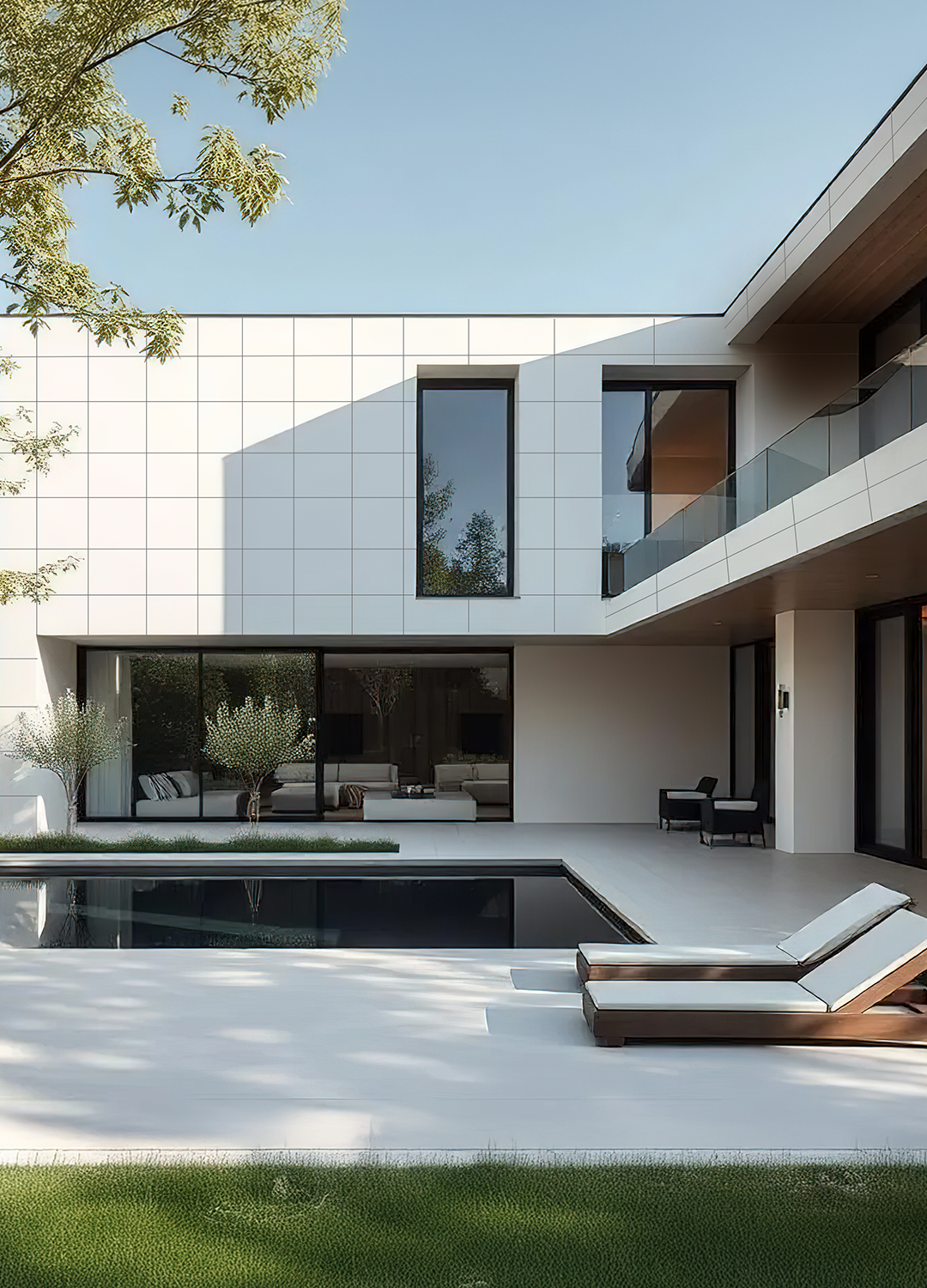
When most people think about exterior wall cladding, they picture sleek façades on modern buildings. But exterior-grade compact panels made from high-pressure laminates (HPL), are far more versatile than that. Its durability, weather resistance, and design range make it ideal for many outdoor applications where paint or tiles often fall short. Architects and homeowners are increasingly using HPL exterior compact wall panels for cladding to bring consistency, longevity, and visual interest to areas of the building that are often overlooked or left unfinished.
Here are seven smart ways to use wall cladding beyond façades to elevate your exterior design.
Soffits are often overlooked, but they play a critical role in tying the roofline and the façade together. When finished with exterior HPL cladding, they protect roof undersides from moisture, UV rays, and dirt, while providing a crisp, modern look.
Because soffits are partially shaded, using light-coloured panels helps maintain brightness. Aligning the direction of the soffit panels with façade grooves creates a seamless transition and strengthens the building’s design language.
Balcony ceilings are exposed to wind, moisture, and occasional leaks. Traditional paint tends to peel or discolour over time. Exterior cladding made from compact laminates offers a smarter alternative, combining low maintenance with long-term weather protection.
Using high-pressure compact panel cladding on the balcony also hides structural irregularities and service lines, giving balconies a finished, high-end look. Choosing lighter shades helps keep these shaded areas bright and inviting.
Read Also: Adaptive Reuse: Transforming Old Buildings with HPL Cladding
Boundary walls are often the first thing visitors see, yet they’re usually plastered and painted, and repainted, year after year. Exterior-grade HPL wall cladding turns these walls into design features while improving durability and reducing upkeep.
It resists impact, stains, and weathering far better than paint, making it ideal for perimeter applications. For public-facing edges, selecting vandal-resistant textures and using concealed fixings improves longevity and appearance.
Entrances set the tone for the entire building. Cladding gates, pergola beams, and canopies with exterior-grade compact panels creates a unified material palette that ties together metal, masonry, and wood finishes.
Woodgrain HPL decors are particularly popular for adding warmth to entryways. By repeating the same décor on the gate and porch beams, you can create a cohesive visual link between vertical and horizontal elements.
Outdoor seating plinths, planter boxes, and furniture skirts are exposed to constant wear from sun, rain, and foot traffic. Paint chips, tiles crack, and untreated surfaces stain easily. HPL cladding provides a hard-wearing, easy-to-clean skin that keeps these elements looking sharp with minimal effort.
For visual interest, pair solid colours with woodgrain panels, or use contrasting textures to define different landscape zones. Where panels are at ground level, impact-resistant grades are best for long-term performance.
Read Also: New Trends in HPL Sheet Design: From Bold Colours to Natural Textures
Structural columns and wall corners can be visually disruptive when left unfinished. Wrapping them in exterior-grade compact panels instantly improves their appearance, turning plain elements into intentional design features.
Cladding also hides hairline cracks and uneven plaster joints. Running vertical joints along the column centreline gives the installation a clean, symmetrical finish that blends effortlessly with adjacent surfaces.
Exposed utility areas such as meter rooms, shafts, and pipe runs can break the clean lines of a façade. HPL wall cladding offers a practical way to conceal these services while keeping them accessible for maintenance.
Ventilated panel systems allow airflow and easy panel removal when required. Smooth finishes simplify cleaning and ensure these often-ignored areas blend into the overall architecture.
Read Also: How Exterior Wall Cladding Panels Provide a Shield Against Extreme Weather
Getting the best out of exterior cladding involves more than choosing the right décor. Pay attention to detailing and fixing systems for a clean, long-lasting finish.
Whether you use HPL cladding on soffits or boundary walls, performance matters. High-quality panels offer:
Compared to paint or tiles, exterior-grade compact panels typically last longer, resist wear better, and require fewer repairs or touch-ups over their lifecycle.
To ensure your wall cladding installation looks great for years, avoid these pitfalls:
Read Also: Forecasting Top Home Exterior Design Trends for 2023
Mikasa Laminates brings together performance and design in a contemporary range of exterior-grade compact panels built for Indian conditions. With refined solids, realistic woodgrains, and abstract designs, Mikasa Laminates panels deliver both style and long-term durability.
Whether you are detailing soffits, balcony ceilings, or boundary walls, Mikasa Laminates’s exterior wall panel collection offers UV stability, termite resistance, impact resistance, fire-retardant features, and easy upkeep, all backed by a reliable warranty of 10 years.
Ready to transform your exteriors? Explore our range, request samples, and speak with our team for specification guidance. Build smarter with Mikasa Laminates exterior-grade compact panels that look good and last for years. For enquiries, assistance, or to place an order, call 1800 833 0004 or email us at info@mikasalaminates.com. You may also visit our contact page, and we will get back to you at the earliest.


